This blog is used to record some fragmented experiences and thoughts, as well as to store my personal portfolio and podcast transcripts.
The ICAC's Major Setback: The Rise and Fall of the Carrian Group
The Carrian case lasted seventeen years and shows how Hong Kong's ICAC pursued a landmark fraud through cross-border investigation, divided prosecution powers, and judicial oversight.
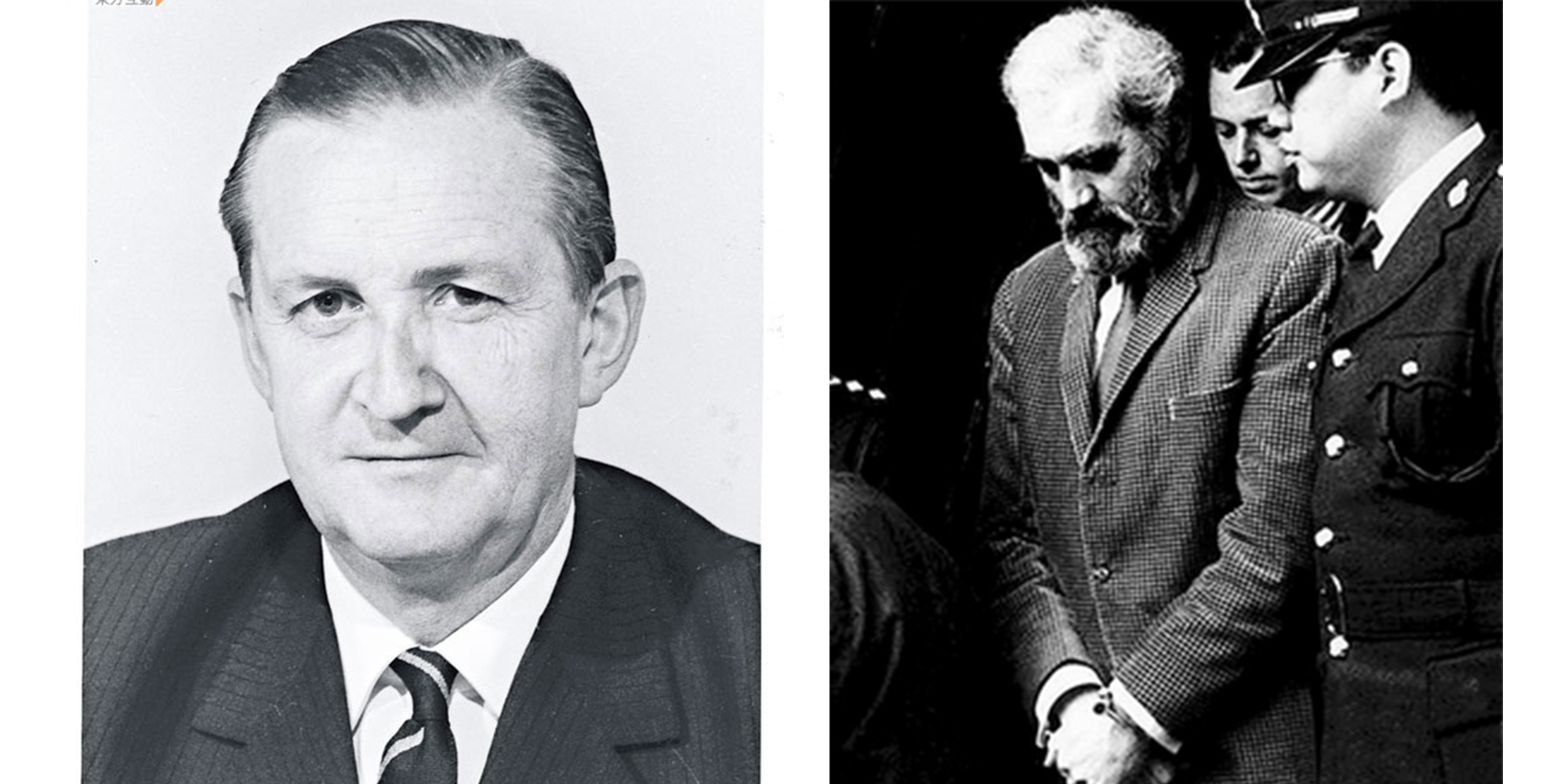
Podcast 17|From Godber’s Escape to the Police–ICAC Confrontation: The Birth of Hong Kong’s ICAC
On October 28, 1977, more than two thousand Hong Kong police officers and family members petitioned at Police Headquarters, after which some protesters stormed the ICAC Operations Department. Beginning with Peter Godber’s escape, the creation of the ICAC, and the Yau Ma Tei Fruit Market Case, this episode examines how Hong Kong built an independent anti-corruption system—and the price that reform exacted as the government tried both to pursue old cases and preserve public order.
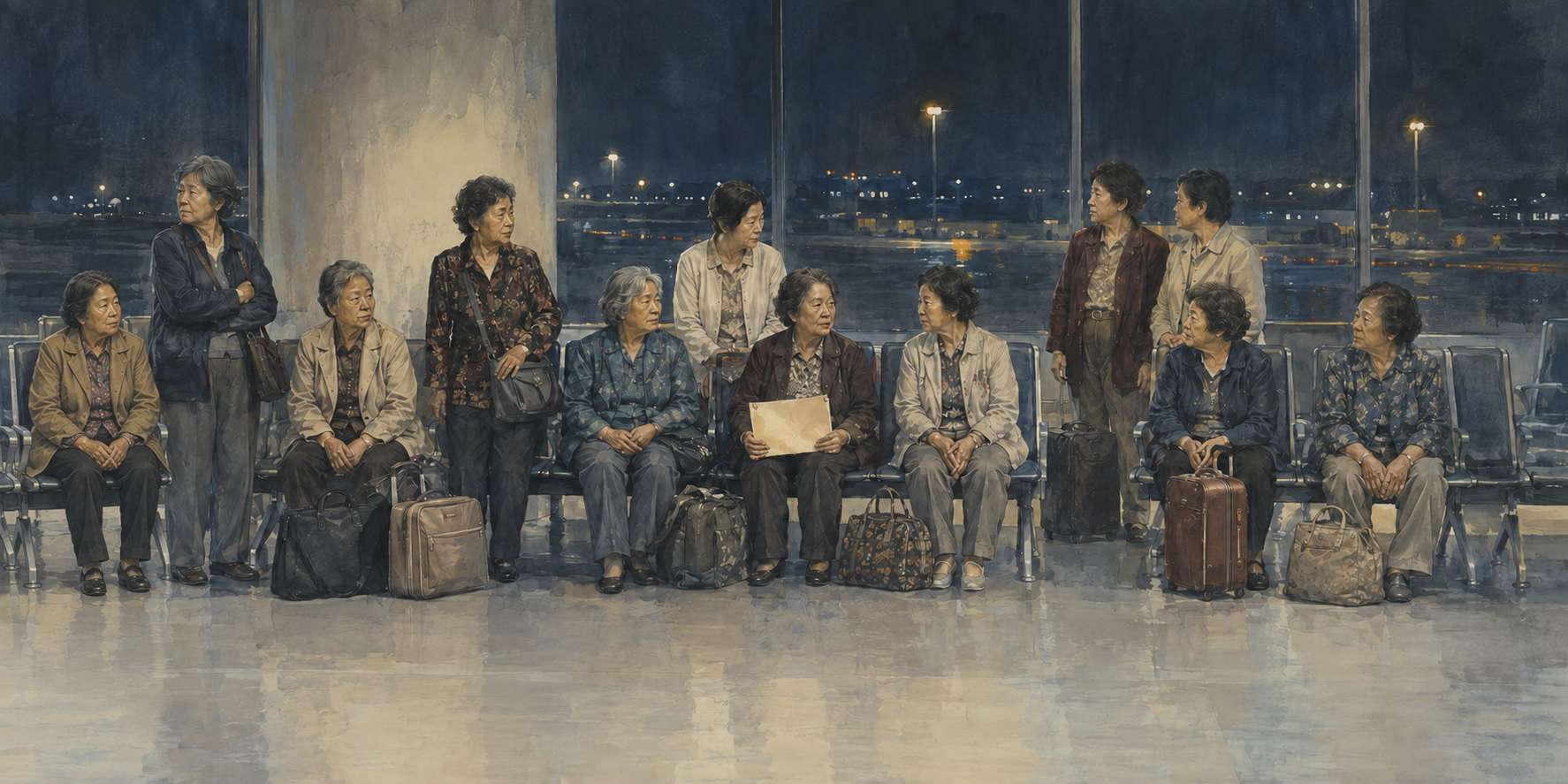
Why Did Returning Home Require a Sponsor? Twelve Japanese Women’s Night at Narita Airport
In 1993, twelve Japanese women who had spent decades in China arrived at Narita Airport without resettlement sponsors or places to live. Their decision to return before those arrangements were in place exposed the barriers facing Japanese women left behind in China and pressed the government to take greater responsibility for their repatriation and resettlement.

Behind the Celebrity Surrogacy Controversy: How Does California Law Determine Parentage?
From sperm donors, intended parents, and procreative intent, this article explains how California law determines parentage in assisted reproduction and gestational surrogacy, and how cases including Sorensen, Johnson, Moschetta, and Buzzanca shaped the current framework.
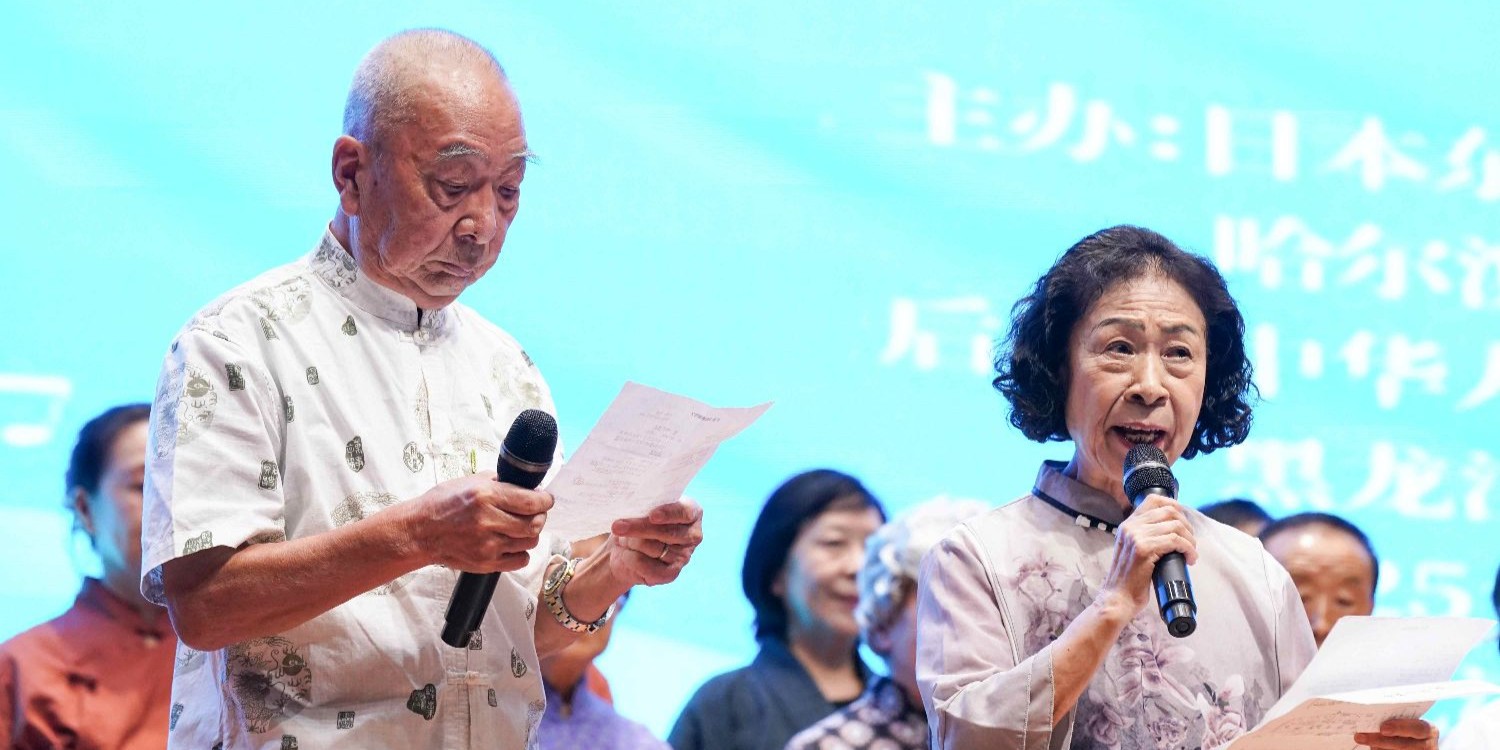
Podcast 16|Repatriation Was Not a Homecoming: Japan’s War Orphans and Their State Redress Lawsuits
In January 2007, forty Japanese war orphans repatriated from China lost their state redress case before the Tokyo District Court. Beginning with the three names of Sumie Ikeda, this episode traces the gaps between war responsibility, repatriation policy, state redress, and political settlement—and asks how law can respond to a generation of shattered lives.