Podcast 12|Is Burning American Flag a Crime? The Judicial Battle over the First Amendment

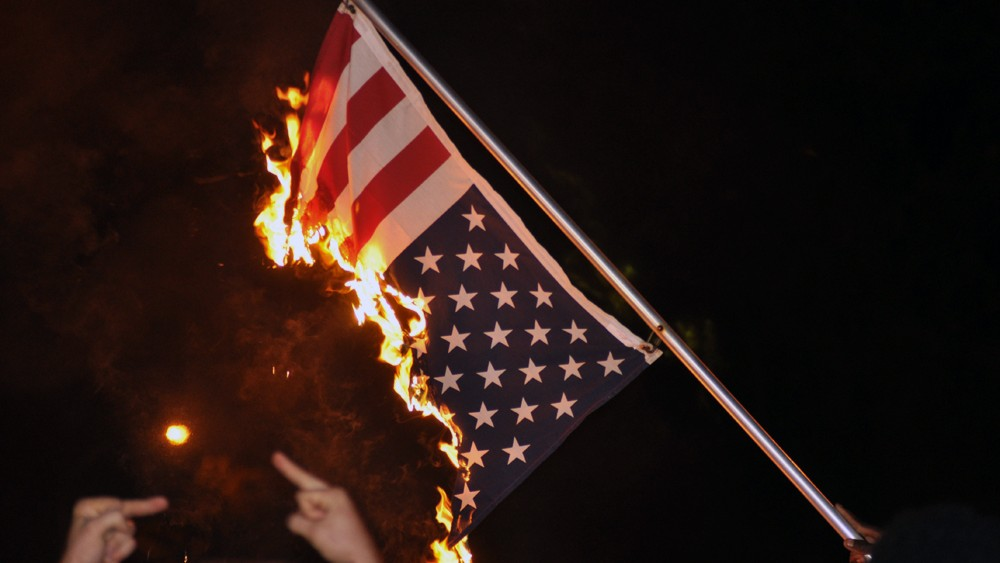
In 1984, protester Gregory Lee Johnson burned an American flag during the Republican National Convention and was convicted of a crime. Beginning with Texas v. Johnson, this episode explains why political flag burning became expressive conduct protected by the First Amendment—and whether the government may impose criminal punishment simply because a political message offends the public.
2026-07-28 · Mason

Podcast 11|Yang Naiwu and Little Cabbage: The Systemic Collapse of Late-Qing Justice

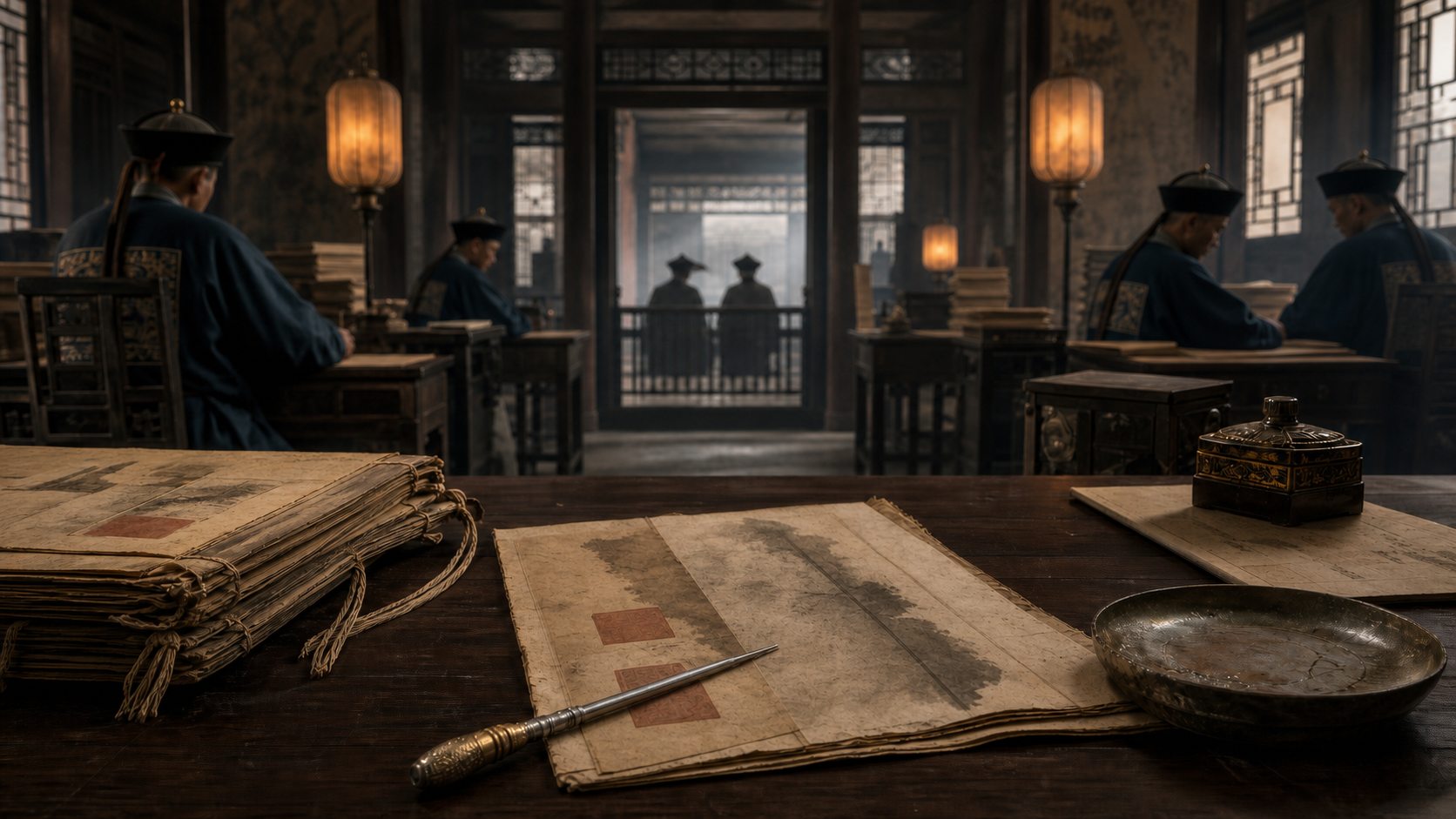
How could a manifestly defective death investigation survive layer after layer of review and nearly send two innocent people to execution? Beginning with an uncleaned silver test needle, this episode traces how a botched autopsy, torture, fabricated corroboration, and five levels of review turned prejudice into an “iron case”—and how gentry networks, newspapers, and imperial power finally reopened it.

2026-07-22 · Mason

Podcast 10|You Have the Right to Remain Silent: How the Miranda Warning Changed American Justice

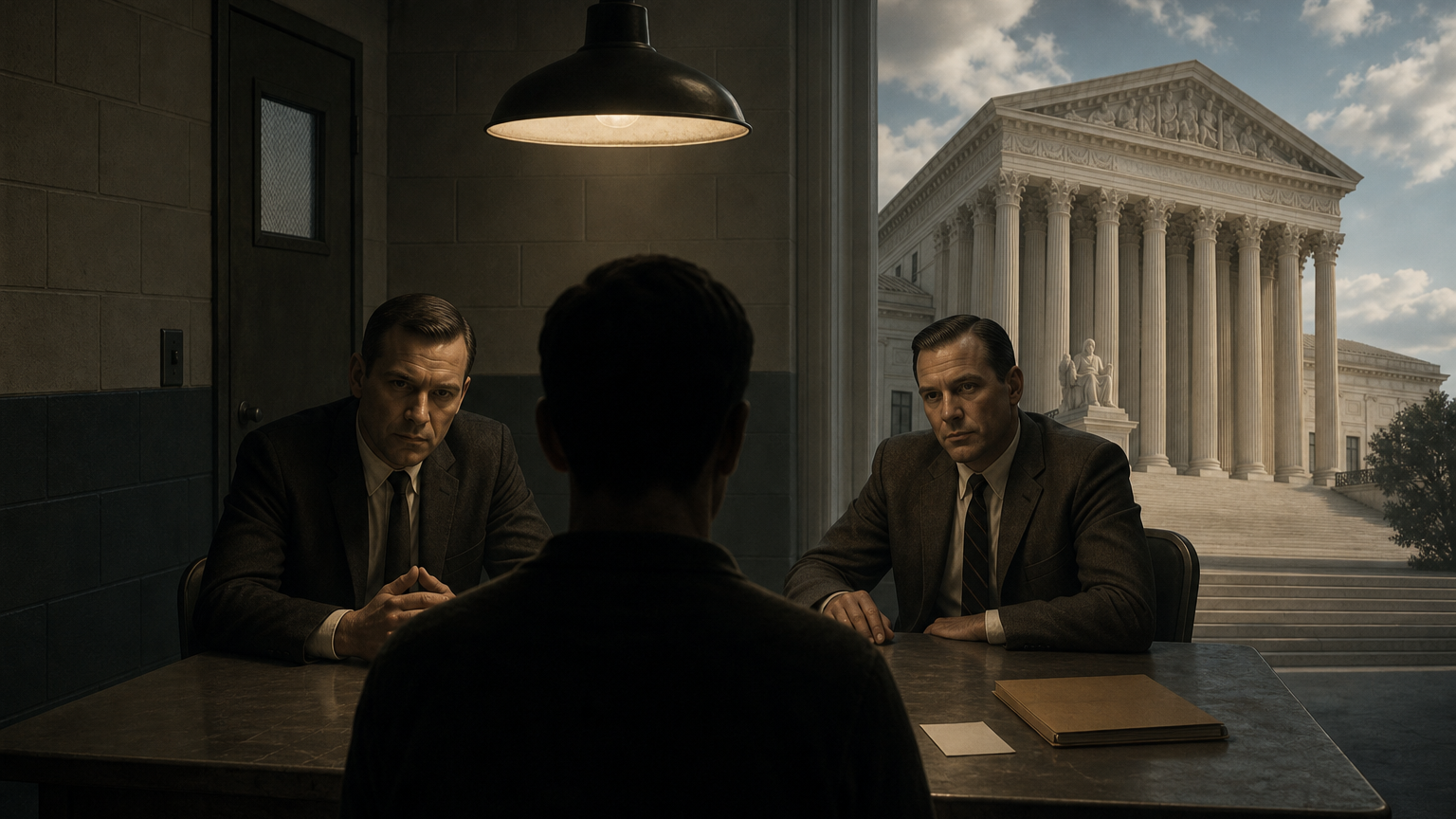
How did “You have the right to remain silent” move from a line in police dramas to a rule officers across America must follow? Beginning with Miranda v. Arizona, this episode explains how a rape suspect with little education reached the Supreme Court, and why a confession may be excluded even without physical coercion when police fail to advise a suspect of his rights.

2026-07-16 · Mason

Podcast 09|The End of the Chinese Legal Tradition: How Late-Qing Reforms Reshaped the Rule of Law

Why did a faltering Qing dynasty spend its final decade translating foreign codes, abolishing lingchi, building courts, and drafting a civil code? Returning to 1902–1911, this episode traces how foreign legal pressure, imperial self-preservation, conflict over ritual, and provincial resistance converged in reforms that failed to save the dynasty but dismantled the old Chinese legal tradition and seeded modern law.

2026-07-10 · Mason

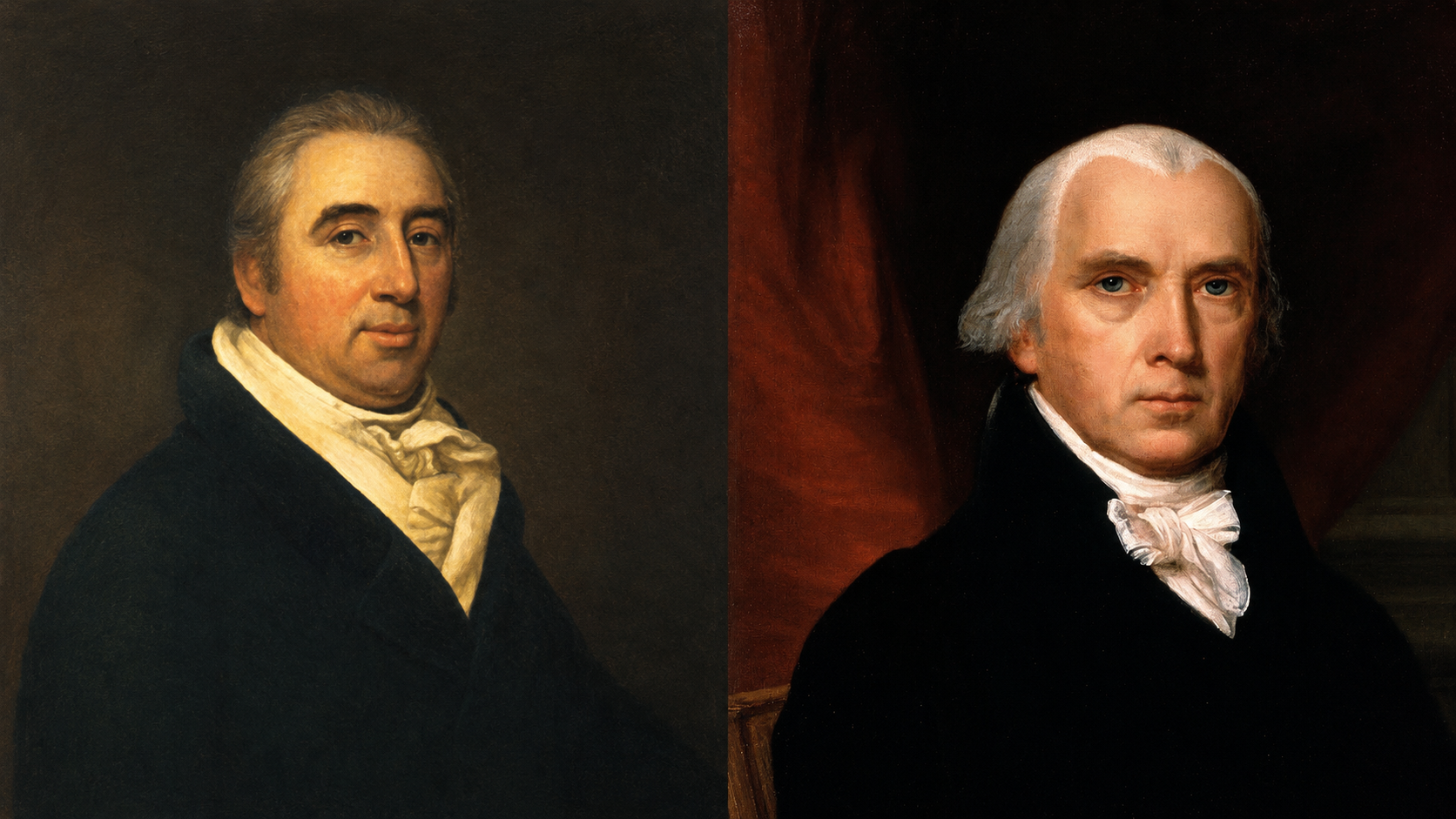
Podcast 08|The Supreme Court in the Crevice: The Birth of American Judicial Review

The U.S. Constitution never expressly gives the Supreme Court power to interpret it. Returning to Marbury v. Madison (1803), this episode shows how an undelivered commission and a political struggle enabled the Court to claim judicial review and make it a cornerstone of the separation of powers.

2026-07-08 · Mason