Podcast 16|Repatriation Was Not a Homecoming: Japan’s War Orphans and Their State Redress Lawsuits

In January 2007, forty Japanese war orphans repatriated from China lost their state redress case before the Tokyo District Court. Beginning with the three names of Sumie Ikeda, this episode traces the gaps between war responsibility, repatriation policy, state redress, and political settlement—and asks how law can respond to a generation of shattered lives.


2026-08-27 · 6505 words · 

Podcast 15|The Sun Zhigang Case: The End of Custody and Repatriation

On the night of March 17, 2003, police stopped twenty-seven-year-old Sun Zhigang on a Guangzhou street. Three days later, he died in a medical center for people held in custody and repatriation. Beginning with the night Sun was taken away, this episode traces how wrongful detention, public opinion, and administrative lawmaking converged—and how a criminal case born of an enforcement error advanced China’s system for reviewing legislation.

2026-08-20 · 5211 words · 

Podcast 14|Could Being Jobless Be a Crime? America’s Constitutional Reckoning with Vagrancy Laws

In 1969, four young people driving to a nightclub in Jacksonville, Florida, were arrested for “prowling by auto.” This episode follows Papachristou v. City of Jacksonville from medieval English vagrancy law and the post–Civil War Black Codes to modern camping bans, asking how vague laws can turn a police officer’s suspicion into arrest and conviction.

2026-08-14 · 5321 words · 

Podcast 13|China’s “First Constitutional Case”: Qi Yuling’s Stolen Right to Education

In late 1998, Qi Yuling discovered that a former classmate had used her identity and admission notice to take her place at a technical secondary school eight years earlier. This episode traces how the Supreme People’s Court brought the constitutional right to education into a civil dispute through its 2001 Reply No. 25—and why the reply’s repeal seven years later left the debate over judicial application of the Constitution unresolved.

2026-08-05 · 5909 words · 

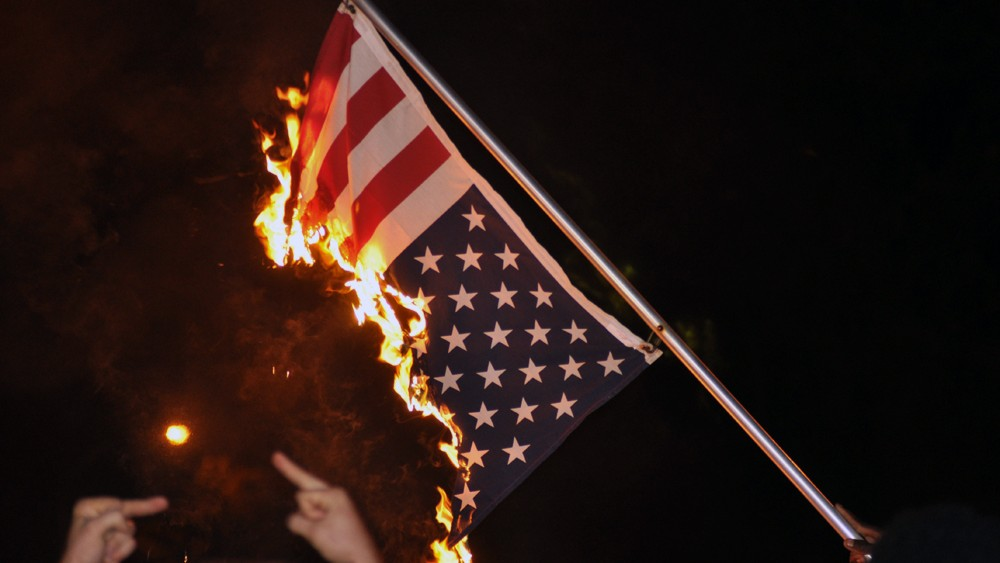
Podcast 12|Is Burning American Flag a Crime? The Judicial Battle over the First Amendment

In 1984, protester Gregory Lee Johnson burned an American flag during the Republican National Convention and was convicted of a crime. Beginning with Texas v. Johnson, this episode explains why political flag burning became expressive conduct protected by the First Amendment—and whether the government may impose criminal punishment simply because a political message offends the public.

2026-07-28 · 3820 words ·