Podcast 10|You Have the Right to Remain Silent: How the Miranda Warning Changed American Justice

How did “You have the right to remain silent” move from a line in police dramas to a rule officers across America must follow? Beginning with Miranda v. Arizona, this episode explains how a rape suspect with little education reached the Supreme Court, and why a confession may be excluded even without physical coercion when police fail to advise a suspect of his rights.

2026-07-16 · 4055 words · 

Podcast 09|The End of the Chinese Legal Tradition: How Late-Qing Reforms Reshaped the Rule of Law

Why did a faltering Qing dynasty spend its final decade translating foreign codes, abolishing lingchi, building courts, and drafting a civil code? Returning to 1902–1911, this episode traces how foreign legal pressure, imperial self-preservation, conflict over ritual, and provincial resistance converged in reforms that failed to save the dynasty but dismantled the old Chinese legal tradition and seeded modern law.

2026-07-10 · 2892 words · 

Podcast 08|The Supreme Court in the Crevice: The Birth of American Judicial Review

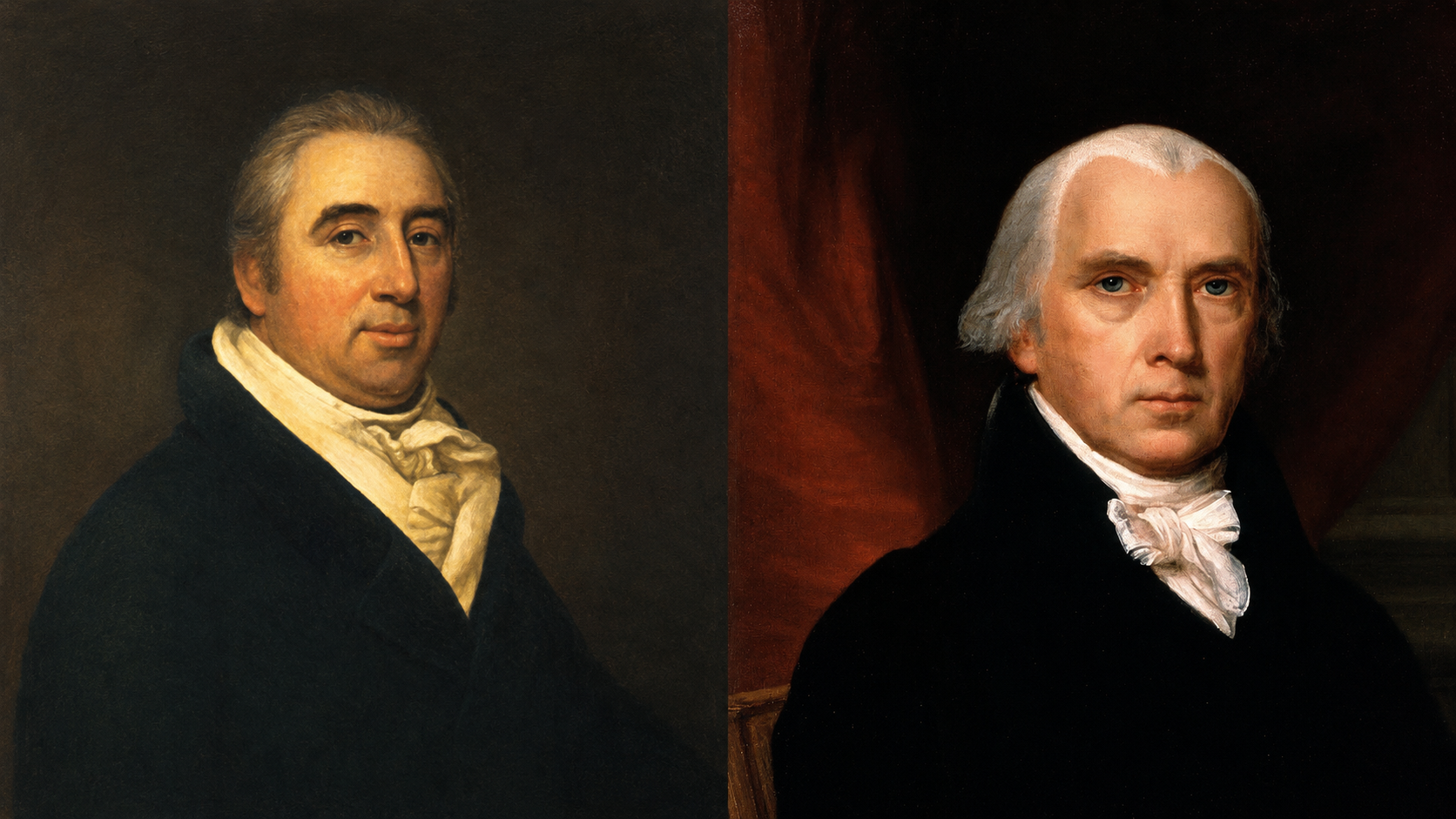
The U.S. Constitution never expressly gives the Supreme Court power to interpret it. Returning to Marbury v. Madison (1803), this episode shows how an undelivered commission and a political struggle enabled the Court to claim judicial review and make it a cornerstone of the separation of powers.

2026-07-08 · 4930 words · 

Podcast 07|The Republican-Era Swordswoman and the Clash of Rites and Law: Shi Jianqiao's Assassination of Sun Chuanfang

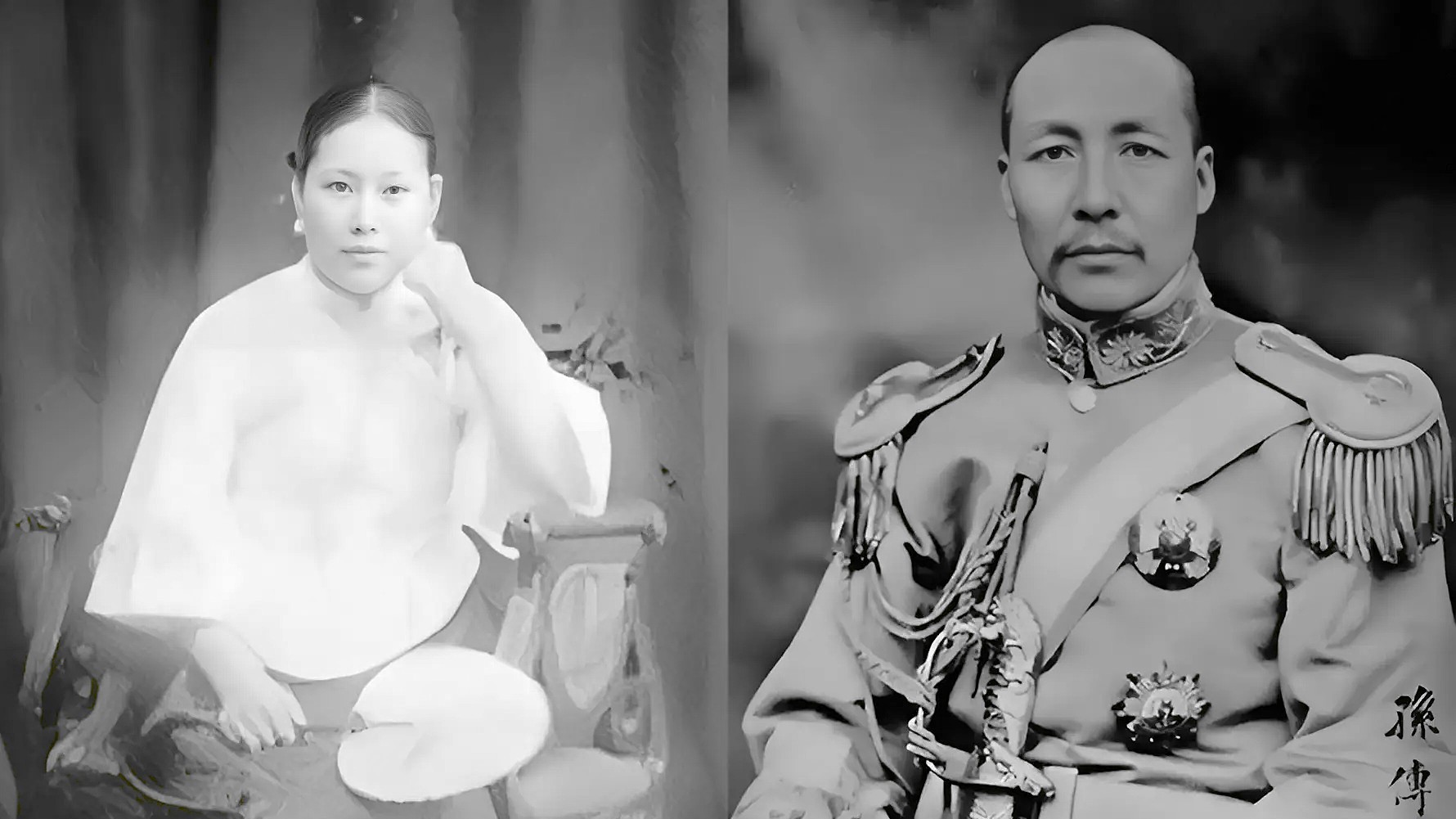
In 1935, Shi Jianqiao shot Sun Chuanfang in a Buddhist hall in Tianjin to avenge her father, then scattered leaflets and surrendered. From her decade-long pursuit of revenge through three levels of Republican courts and a Nationalist pardon, this episode asks how traditional filial duty fared under modern criminal law.

2026-07-05 · 5065 words · 

Podcast 05|Gao Mingxuan and Chinese Criminal Law: Four Elements vs. Three Tiers

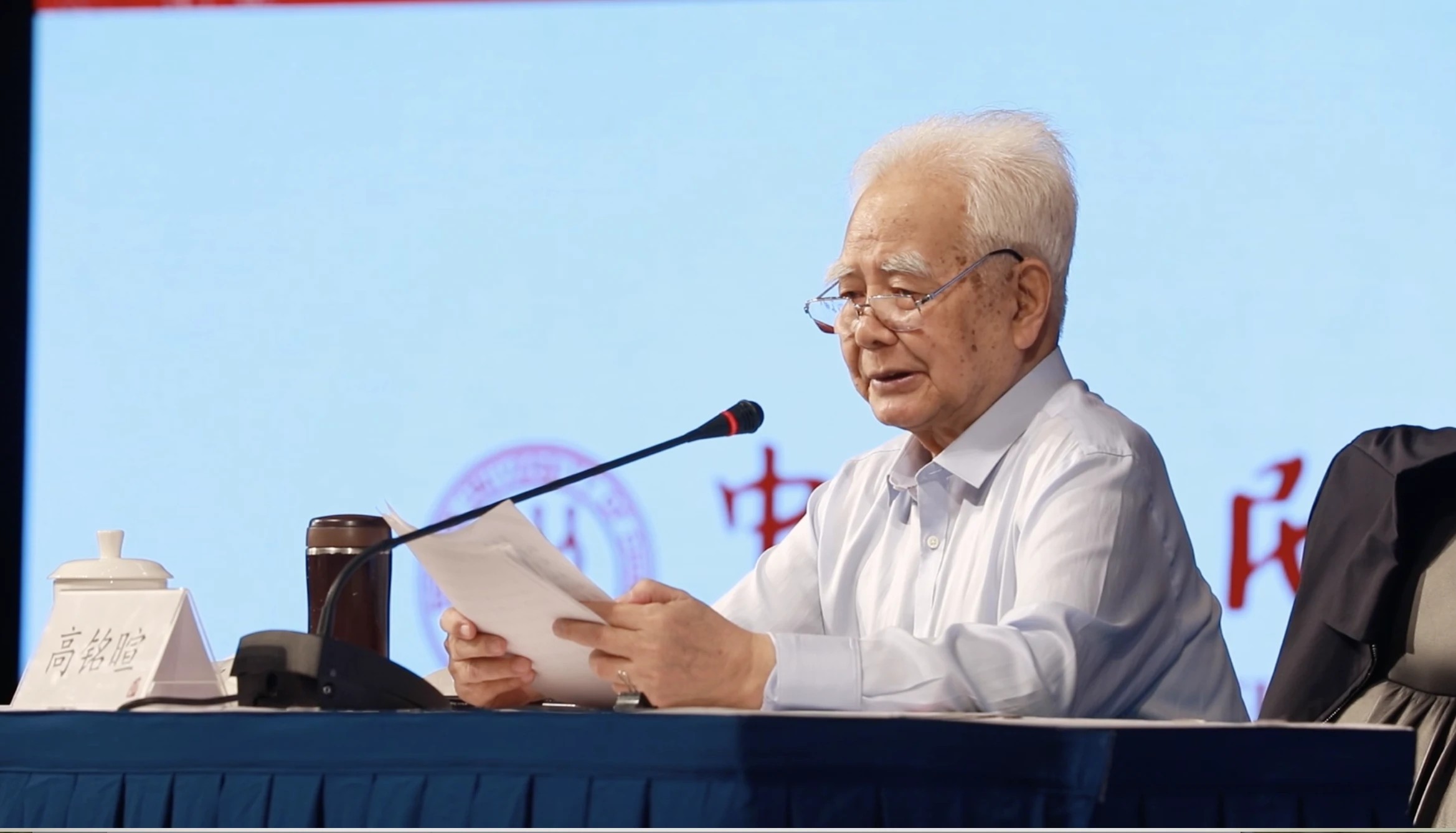
Gao Mingxuan, a towering figure in Chinese criminal law, died on February 26, 2026, aged 98. Beginning with his role in drafting the PRC's first criminal code, this episode unpacks the long debate between the four-element and three-tier theories of crime—and asks how state penal power should be exercised and citizens' rights protected.

2026-03-10 · 3854 words ·